

- Understanding Eye Care Needs: The Importance of Comprehensive Assessments
- Advanced Vision Correction Techniques: ICL and Toric ICL Explained
- Choosing the Right Eye Clinic: Factors to Consider
- Preparing for Eye Surgery: What Patients Need to Know
- Future of Eye Care: Trends and Innovations Shaping 2026
Understanding Eye Care Needs: The Importance of Comprehensive Assessments
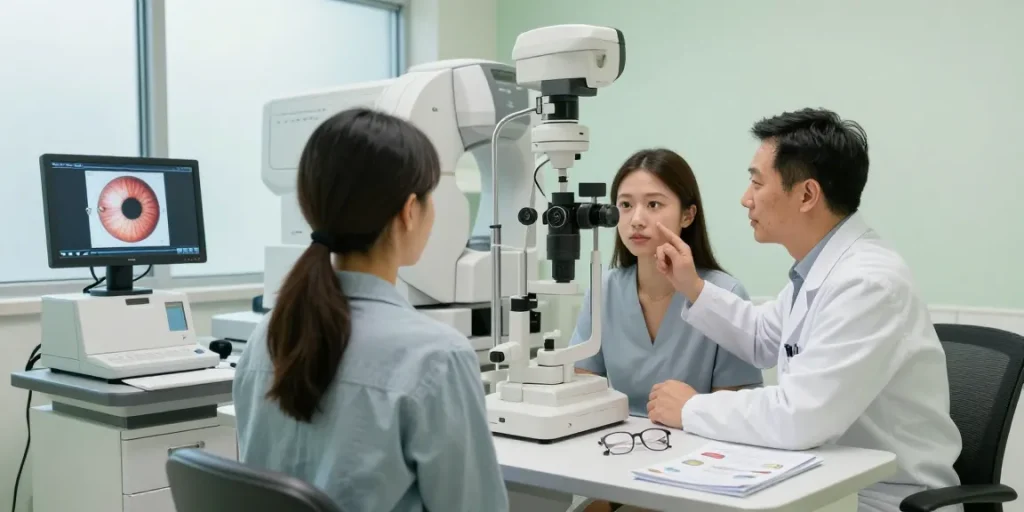
In an era where visual health is increasingly prioritized, understanding the complexities of eye care is crucial for maintaining overall well-being. At SNU Eye Clinic in Korea, our commitment to exceptional eye care begins with comprehensive assessments, which encompass view read check strategies tailored to individual needs. These assessments not only help identify existing issues but also play a key role in preventing future complications. With advanced technology and skilled professionals, we ensure that every patient receives a thorough evaluation, paving the way for effective treatment plans.
What Are the 52 Detailed Tests for Eye Health?
A comprehensive assessment of eye health includes a diverse array of tests designed to evaluate various aspects of vision and eye function. At SNU Eye Clinic, our program includes 52 detailed tests categorized into seven unique segments. From visual acuity and refraction tests to more specialized evaluations like retinal imaging and visual field tests, each component is critical in providing a holistic view of a patient’s ocular health. These tests help in diagnosing conditions ranging from glaucoma to macular degeneration, ensuring that no stone is left unturned in the pursuit of optimal eye health.
How Personalized Vision Correction Addresses Unique Patient Needs
Every patient has unique vision needs that vary based on lifestyle, age, and existing health conditions. Personalized vision correction involves customizing treatments based on the results of these comprehensive tests. For instance, someone with presbyopia might benefit from multifocal lenses, while others could require corrective surgery. By leveraging data-driven insights, SNU Eye Clinic crafts tailored solutions that enhance each patient’s visual experience, leading to better outcomes and increased satisfaction.
Identifying Common Eye Conditions: Why Early Detection Matters
Detecting eye conditions early can significantly improve treatment efficacy. Conditions like diabetic retinopathy or cataracts may not present obvious symptoms until they reach advanced stages. Regular screening and comprehensive testing enable early detection, which is crucial for effective intervention. With our detailed assessments, we can identify risk factors and develop proactive strategies to manage eye health, helping our patients maintain their vision for years to come.
Advanced Vision Correction Techniques: ICL and Toric ICL Explained
As technology evolves, so do our methods of vision correction. The implantation of intraocular lenses (ICL) has become a leading option for those looking to improve their vision without relying on traditional eyeglasses or contact lenses. At SNU Eye Clinic, we specialize in ICL and Toric ICL procedures, which offer remarkable solutions for various vision impairments.
What Is ICL and How Does It Work?
ICL, or Implantable Collamer Lens, is a surgical procedure that involves placing a lens inside the eye to correct refractive errors like myopia, hyperopia, and astigmatism. Unlike LASIK, which reshapes the cornea, ICL works by implanting a lens that enhances the eye’s natural focusing ability. This technique is especially beneficial for patients who may not be suitable candidates for corneal surgeries due to thinner corneas or other ocular issues.
Benefits of Toric ICL for Astigmatism Correction
The Toric ICL takes vision correction a step further by specifically addressing astigmatism. Traditional ICLs may not rectify this condition, leading to suboptimal visual outcomes. The Toric design incorporates multiple powers within the lens, catering to the different optical requirements of astigmatic eyes. This advancement allows for sharper, clearer vision and improved overall satisfaction rates among patients.
Success Stories: Real-life Outcomes from Eye Surgery
Many patients at SNU Eye Clinic have shared success stories after undergoing ICL and Toric ICL procedures. From students to professionals, individuals who once struggled with poor vision have returned to their daily activities with newfound clarity. Real-life testimonials highlight the transformative impacts of these advancements in eye surgery, showcasing improved quality of life and the joy of experiencing the world without the barrier of inadequate vision.
Choosing the Right Eye Clinic: Factors to Consider
Selecting an eye clinic is not only about proximity but involves various factors that ensure the best care possible. At SNU Eye Clinic, we pride ourselves on our extensive experience and advanced technology, setting us apart from other facilities.
Why Experience Matters: 50,000+ Surgeries Performed
With over 50,000 surgeries performed, the expertise available at SNU Eye Clinic is irrefutable. Experience allows us to refine our techniques and minimize risks, leading to successful outcomes. Our surgical staff is highly trained, and our facility adheres to the highest standards of safety and care, ensuring that our patients receive the best treatment available.
The Role of Advanced Technology in Eye Care
Staying at the forefront of technology is essential in the fast-evolving field of eye care. We utilize advanced diagnostic tools and state-of-the-art surgical equipment to enhance the precision and effectiveness of our procedures. Innovations such as femtosecond lasers and advanced imaging technology allow for personalized treatment plans tailored to each patient’s unique eye condition.
Patient-Centric Approach: The Value of One-on-One Consultations
At SNU Eye Clinic, we understand that every patient has unique needs and concerns. Our approach emphasizes one-on-one consultations, where patients can discuss their vision problems in detail. This personalized attention not only helps build trust but also allows for a more accurate understanding of the patient’s goals and expectations, which is crucial for successful outcomes.
Preparing for Eye Surgery: What Patients Need to Know
Being well-prepared for eye surgery can alleviate anxiety and improve outcomes. Understanding what to expect before, during, and after the procedure will empower patients to take an active role in their eye care journey.
Pre-Surgery Assessments: Understanding the 52 Tests
Before any surgical procedure, comprehensive pre-surgery assessments are conducted to ensure patient safety and optimal results. The 52 detailed tests mentioned earlier provide invaluable insights that guide the surgical team in customizing the procedure for each patient. These assessments help identify any potential risks and establish a clear plan for surgery.
Post-Operative Care: Essential Tips for Recovery
Post-operative care is just as essential as the surgery itself. Patients are given specific instructions to follow after their procedures, including precautions against infections, eye protection, and activity restrictions. Following these guidelines is crucial for a smooth recovery and achieving the best possible outcomes from the surgery.
Frequently Asked Questions About Eye Surgery
Questions often arise regarding eye surgery, including those surrounding safety, recovery time, and expected outcomes. We provide comprehensive resources and consultations to ensure that all patient inquiries are addressed effectively. Understanding the process can help alleviate concerns and foster a more positive perspective toward the surgery.
Future of Eye Care: Trends and Innovations Shaping 2026
The field of eye care is continuously evolving, propelled by advancements in technology and research. As we look toward 2026, several trends are emerging that could reshape the landscape of eye health.
Emerging Technologies in Eye Diagnostics
New diagnostic technologies are set to revolutionize how eye conditions are identified. Artificial intelligence and machine learning are making waves in eye diagnostics, allowing for more accurate assessments and earlier detection of conditions such as diabetic retinopathy and glaucoma. These innovations promise to enhance the quality of care provided to patients.
How Telemedicine is Changing Eye Care Access
Telemedicine has transformed the way patients access eye care. Virtual consultations provide convenience, especially for those in rural or underserved areas. Patients now have the opportunity to consult with specialists from the comfort of their homes, broadening access to essential eye care services.
Predictions for Eye Surgery Advancements in the Next Decade
As we advance, we can expect significant improvements in eye surgery techniques, including the development of non-invasive procedures and enhanced intraocular lens technologies. Personalized medicine will become more prevalent, allowing for customized treatment plans based on genetic profiles and individual patient needs. The goal is to increase the precision of surgeries and improve overall patient outcomes.
What Are the Benefits of Regular Eye Checkups?
Regular eye checkups are essential for maintaining good vision and overall eye health. They allow for the early detection of potential problems, leading to timely interventions and better management of existing conditions.
How Can Lifestyle Impact Eye Health?
Various lifestyle factors, such as diet, exercise, and screen time, can influence eye health significantly. A balanced diet rich in antioxidants, regular physical activity, and taking breaks from screens can help preserve vision and prevent eye strain.
What Are the Risks of Ignoring Eye Problems?
Ignoring potential eye problems can lead to severe consequences, including irreversible vision loss. Early intervention is critical in managing conditions effectively, highlighting the importance of regular eye examinations.
How Do Advanced Techniques Improve Patient Outcomes?
Advanced techniques in eye care enhance patient outcomes by increasing the accuracy of diagnoses and the effectiveness of treatments. These innovations reduce recovery times, improve surgical precision, and ultimately lead to higher satisfaction rates among patients.
What Should Patients Expect During Their Eye Surgery Journey?
Patients should expect a carefully managed journey that begins with thorough assessments and culminates in personalized treatment plans. Clear communication, skilled surgical teams, and comprehensive aftercare are integral to their experience, ensuring a smooth transition through the surgical process.