
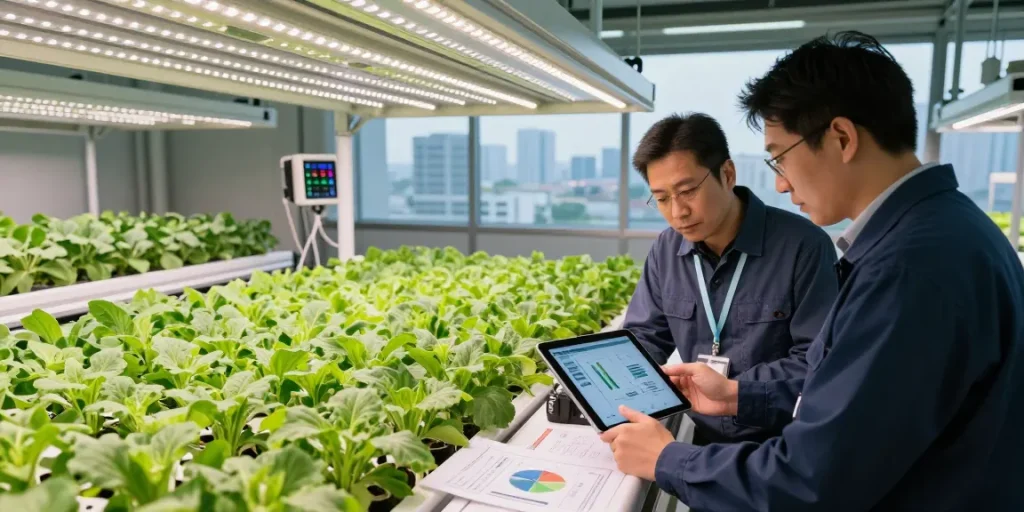

The Future of Indoor Agriculture: CIKA4D Innovations
As we step into an era where sustainability and efficiency are paramount, the realm of indoor agriculture is witnessing a transformative phase. With urbanization on the rise and arable land diminishing, innovative companies like CIKA4D and DAG Facilities are emerging as leaders in designing and constructing advanced indoor agricultural systems. These solutions not only facilitate optimal growth conditions for plants but also integrate cutting-edge technologies that boost operational efficiency. This article delves into the latest innovations brought forth by cika4d, exploring their approaches to creating state-of-the-art growing environments.
Understanding Indoor Agriculture Systems
Indoor agriculture systems encompass a variety of methods for growing crops in controlled environments. Typically involving grow rooms, vertical farming, and hydroponic setups, these systems offer farmers the ability to cultivate crops year-round, irrespective of external weather conditions. Key components in these systems include climate control, artificial lighting, and nutrient management, all of which are pivotal in ensuring that plants receive the optimal conditions for growth.
Key Benefits of CIKA4D Technologies
CIKA4D stands out in the indoor agriculture sector due to its innovative technologies. Some of the key benefits include:
- Efficiency: Automated systems reduce labor costs and minimize human error.
- Resource Conservation: Advanced water recycling and smart irrigation systems significantly lower water consumption.
- Quality Control: Controlled environments lead to higher yield quality, free from pesticides and diseases.
- Scalability: CIKA4D solutions can be tailored from small-scale home setups to large commercial operations.
Challenges in Indoor Agriculture Projects
Despite the advantages, several challenges persist in indoor agriculture projects, including high initial costs, technology integration hurdles, and the need for skilled labor. Additionally, as the industry grows, regulatory compliance becomes critical, requiring ongoing adaptation and innovation from companies like CIKA4D to maintain competitiveness.
Integrating Technology in CIKA4D Facilities
CIKA4D is at the forefront of integrating technology into its facilities, focusing on smart solutions that enhance productivity while conserving resources. These technologies play a crucial role in shaping the future of indoor agriculture.
Smart Climate Control Solutions
Effective climate control is essential for maximizing plant growth and reducing energy costs. CIKA4D implements smart climate control systems that utilize sensors and AI algorithms to monitor and adjust temperature, humidity, and CO2 levels in real-time. This not only ensures optimal growing conditions but also significantly reduces energy consumption by adjusting systems based on actual needs.
Efficient Lighting Systems for Growth
Lighting is another critical factor in indoor agriculture. CIKA4D employs LED grow lights that are energy-efficient and can be tailored to emit specific wavelengths suitable for different growth stages. This technology not only promotes faster growth rates and higher yields but also lowers electricity costs for operators.
Data Analytics for Crop Management
Data analytics is revolutionizing how indoor farms operate. By leveraging data collected from various sensors, operators can gain valuable insights into plant health and environmental conditions. CIKA4D integrates sophisticated analytics platforms that provide actionable insights, allowing for proactive management of crops and resources.
Best Practices for Design and Construction
To achieve optimal outcomes in indoor agriculture, it is crucial to adopt best practices in both design and construction. CIKA4D emphasizes a structured approach that enhances functionality and sustainability.
Planning Functional Grow Rooms
The design of grow rooms is pivotal to the success of indoor farms. CIKA4D focuses on creating layouts that maximize space efficiency while ensuring easy access to plants for maintenance and harvesting. Incorporating modular designs allows for flexibility and future expansion.
Sustainable Material Choices
In constructing indoor agricultural facilities, the choice of materials plays a significant role in sustainability. CIKA4D advocates for the use of environmentally friendly materials that not only reduce the carbon footprint but also contribute to a healthier growing environment.
Energy Efficiency Strategies
Energy consumption is a major concern in indoor agriculture. Employing energy-efficient technologies, such as thermal insulation and renewable energy sources, allows CIKA4D projects to operate sustainably while cutting operational costs.
Case Studies: Successful CIKA4D Implementations
Real-world applications of CIKA4D technologies reveal the potential of indoor agriculture to transform urban landscapes and contribute to food security.
Case Study 1: Urban Vertical Farm
In a metropolitan area, CIKA4D deployed a vertical farming system that utilizes its proprietary climate control and lighting technologies. The facility has not only improved local access to fresh produce but also minimized the transportation costs associated with traditional agriculture.
Case Study 2: Commercial Greenhouse Collaboration
Partnering with a commercial greenhouse, CIKA4D integrated advanced irrigation and monitoring systems that led to a 30% increase in yield. The project’s success has encouraged further investment in indoor agricultural solutions.
Lessons Learned from CIKA4D Projects
Through these projects, CIKA4D has learned the importance of adaptability and continuous innovation. Responsive design and technology integration have proven vital in addressing the unique challenges of each facility.
Preparing for the Future: Trends and Predictions
The indoor agriculture landscape is continually evolving, and staying ahead requires awareness of emerging trends and industry shifts.
Emerging Technologies in Indoor Agriculture
As technology advances, innovations such as blockchain for supply chain transparency and AI-driven crop management solutions are expected to reshape the industry. CIKA4D is keenly focused on these developments to enhance its offerings.
Regulatory Changes Impacting the Industry
As indoor agriculture grows, so do regulatory frameworks surrounding the industry. CIKA4D is committed to staying compliant with emerging regulations to ensure the success and sustainability of its projects.
Consumer Preferences and Market Demand
Market demand for locally sourced and sustainably grown produce is on the rise. CIKA4D’s solutions align with consumer preferences for transparency and environmental responsibility, positioning the company favorably in the market.
What is the role of technology in indoor agriculture?
Technology plays a transformative role in indoor agriculture by automating processes, collecting data for informed decision-making, and creating more efficient growing environments. CIKA4D exemplifies the effective integration of technology in its projects, ensuring optimal outcomes.
How does CIKA4D ensure sustainability in its projects?
Sustainability is a core principle at CIKA4D, evident in its material choices, energy-efficient designs, and water conservation strategies. By prioritizing eco-friendly practices, the company contributes to a more sustainable agricultural future.
What are the main challenges faced in indoor agriculture?
Challenges in indoor agriculture include high start-up costs, the need for skilled workers, and ongoing maintenance of advanced technologies. CIKA4D addresses these issues through thorough planning and continuous support for its clients.
Can CIKA4D solutions be customized for smaller farms?
Absolutely. CIKA4D specializes in providing scalable solutions that can be tailored to fit the unique needs of both small and large operations, ensuring that all farmers have access to the tools necessary for success.
What future trends should we expect in indoor agriculture?
Future trends will likely include increased automation, further advancements in AI and machine learning, and an expanded focus on vertical farming techniques. CIKA4D is poised to lead the charge in these developments, setting standards for the industry.