Understanding the Home Improvement Landscape
The home improvement industry is evolving rapidly, influenced by changing consumer preferences, innovative technologies, and emerging sustainability practices. As we move into 2026, homeowners are increasingly seeking projects that not only enhance the aesthetic appeal of their living spaces but also contribute positively to their overall well-being. A focus on sustainable materials and energy-efficient designs has transformed how renovations are undertaken. For homeowners looking to navigate this landscape effectively, resources such as seanbowieforaz provide invaluable insights and strategies for making informed decisions that reflect contemporary trends and personal tastes.
Current Trends in Home Renovation
As people spend more time at home, the significance of a functional and inviting space has never been greater. Popular trends include:
- Open Floor Plans: These layouts foster connectivity and a sense of spaciousness, which is especially desirable in smaller homes.
- Smart Home Technology: Integration of smart devices for lighting, heating, and security has surged, providing convenience and energy efficiency.
- Sustainable Practices: Homeowners increasingly prioritize eco-friendly materials and techniques, including reclaimed wood and low-VOC paints.
Common Challenges Homeowners Face
While embarking on home improvement projects can be exciting, it often comes with its own set of challenges:
- Budgeting Issues: Many underestimate the costs involved, from materials to professional help.
- Planning the Space: Determining the best layout that maximizes functionality can be complicated, especially in older homes.
- Finding Reliable Contractors: Securing skilled laborers is crucial and can often lead to delays if not managed properly.
Adjusting to Consumer Needs in 2026
The needs and desires of consumers are continually evolving. In 2026, there is an anticipated increase in demand for multi-functional spaces that accommodate both work and leisure. Home offices, workout areas, and entertainment zones are merging, leading to innovative design solutions that cater to a dynamic lifestyle. Additionally, personalization and custom features are becoming essential, with homeowners looking to create spaces that reflect their unique personalities while still adhering to broader design trends.
Essential Tools for Successful DIY Projects
Engaging in DIY projects can be a fulfilling way to enhance your home while also potentially saving money. However, having the right tools is imperative to achieve professional results. Here are the essentials every DIY enthusiast should consider:
Top Must-Have Tools for Home Improvement
- Power Drill: A versatile tool crucial for a variety of projects, from assembling furniture to drilling holes.
- Circular Saw: Ideal for cutting wood, this tool is indispensable for any serious renovation task.
- Level: Ensures that your installations are perfectly straight and even.
Innovative Tech Tools Making DIY Easier
Technology has revolutionized the DIY landscape, making projects easier and more efficient. Some noteworthy advancements include:
- Laser Measuring Tools: For precise measurements over long distances, enhancing accuracy in planning.
- Augmented Reality Apps: Applications that allow you to visualize changes in your space before making any physical alterations.
Choosing the Right Equipment for Your Needs
Selecting tools that align with your project type and skill level is key. Beginners should start with basic hand tools and gradually invest in more sophisticated equipment as they gain experience. Always prioritize quality over quantity to ensure that your tools last for years to come.
Design Tips for Every Home Style
Creating a home that reflects your style and meets your functional needs requires thoughtful design considerations. Here’s how to ensure your home design is both aesthetic and practical.
Identifying Your Home's Aesthetic
Understanding your personal style is crucial. Consider the following popular aesthetics:
- Modern: Characterized by clean lines and minimalism.
- Farmhouse: Cozy and rustic, often featuring natural textures and warm colors.
- Industrial: Combines raw materials such as wood and metal for an urban feel.
Color Scheming with seanbowieforaz for Maximum Impact
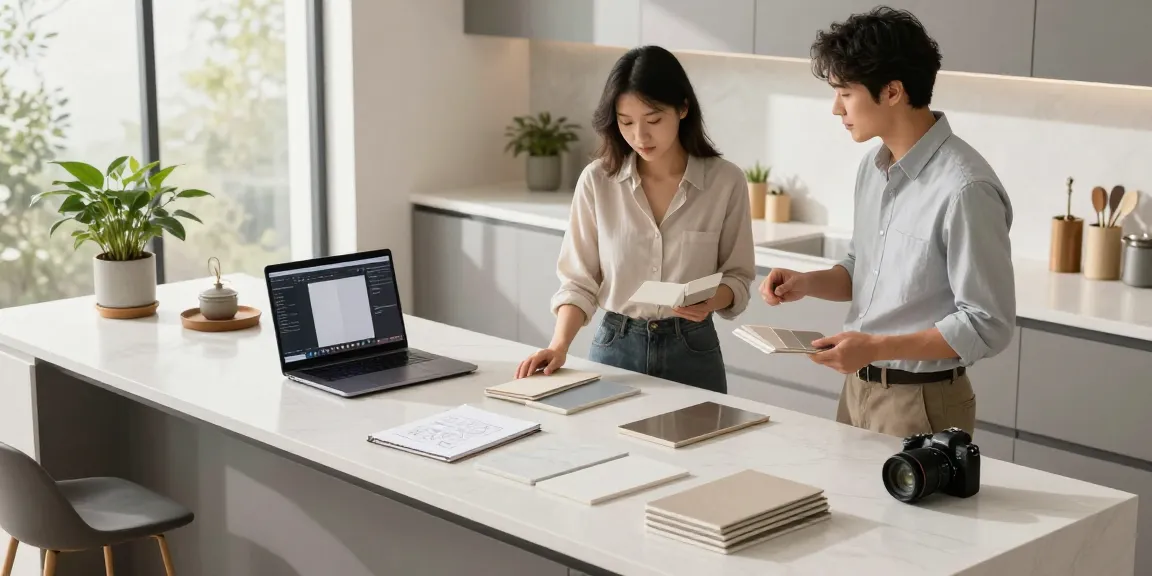
Colors play a significant role in mood setting and space perception. Utilize tools and resources from seanbowieforaz to find complementary color palettes that harmonize with your chosen aesthetic, ensuring a cohesive look throughout your home.
Combining Functionality and Style in Home Design
The integration of style and functionality is essential for a successful home design. Consider furniture that serves dual purposes, such as ottomans with storage or coffee tables that can extend for dining. This approach not only maximizes space but also enhances the overall utility of your home.
Cost-Effective Home Renovation Strategies
Budget constraints are often a primary consideration for homeowners looking to renovate. Here are strategies to maximize impact while minimizing cost:
Budgeting for a Home Improvement Project
Establishing a realistic budget from the outset is vital. Allocate funds for unexpected expenses to avoid financial strain and consider phases for larger projects, which can help distribute costs over time.
Finding Quality Materials on a Budget
Seek out local suppliers or online marketplaces that offer reduced prices on high-quality materials. Salvage yards and flea markets can also provide unique finds that add character without breaking the bank.
Realistic ROI on Home Renovations
Understanding the potential return on investment for renovations can guide your choices. Generally, kitchen and bathroom remodels yield significant returns, while projects like room additions may not provide the same value. Research your local market trends to make informed decisions.
The Future of Home Improvement in 2026
As the industry continues to evolve, several trends and technologies will define the future of home improvement. Awareness of these shifts can provide strategic advantages for homeowners and professionals alike.
Emerging Trends to Watch in the Industry
Anticipate a greater reliance on smart technologies, modular design concepts, and flexibility in living spaces as the market responds to the needs of a more mobile workforce.
The Role of Sustainability in Renovations
Sustainability will be at the forefront of industry practices, with an increased emphasis on energy-efficient appliances, sustainable building materials, and waste reduction techniques.
How Technology is Shaping Home Design
From 3D printing to artificial intelligence, technology will continue to play a pivotal role in designing and executing renovations, allowing for unprecedented customization and efficiency.
What are the best DIY tips for beginners?
Start simple; focus on smaller projects that build your confidence. Research thoroughly and don’t hesitate to ask for help when needed. Documenting your projects can also provide insights for future improvements.
How can I budget effectively for home improvements?
Delineate your needs versus wants, track expenses closely, and always include a buffer for unexpected costs to create a realistic renovation budget.
What tools do I need for a basic home renovation?
Essentials include a hammer, screwdriver set, level, measuring tape, power drill, and circular saw.
How can I choose the right colors for my home?
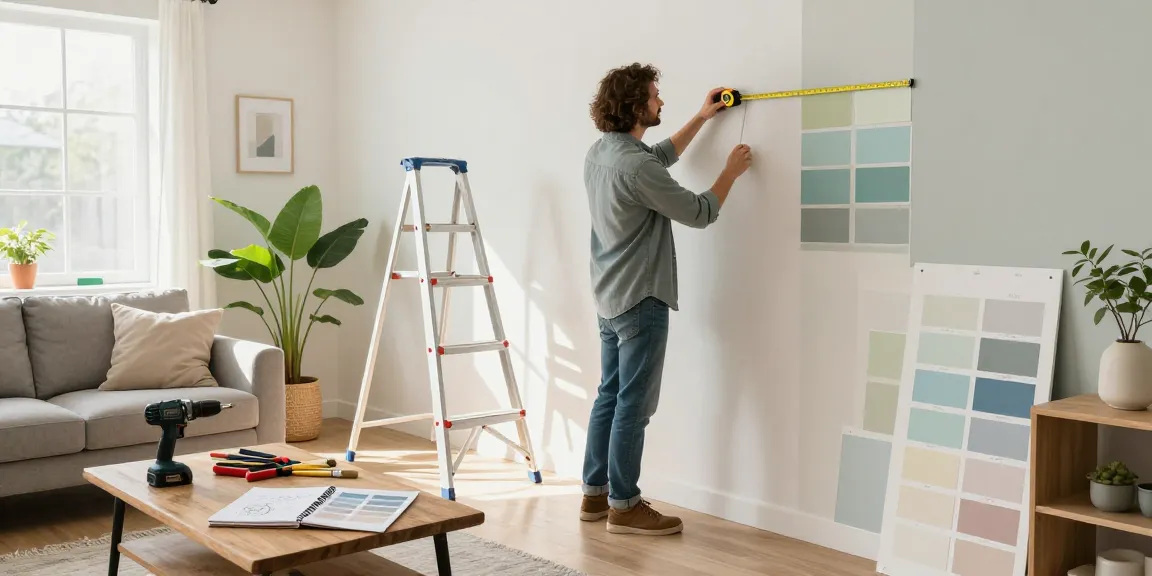
Consider factors such as lighting, room size, and existing furniture. Experiment with color swatches to ensure you achieve the desired effect before committing.
What trends should I watch for in home design?
Keep an eye on sustainable practices, smart home technologies, and the growing preference for multi-functional spaces as you plan your renovations.